
Topfert guide you how to apply potash fertilizer reasonably?
Grape is a kind of fruit tree that loves potassium, known as the "potassium fruit tree", requires lot of potassium throughout the growth period. Potassium plays an important role in the growth of grapes, photosynthesis, yield and quality and transportation of assimilation products.
Unlike nitrogen and phosphorus, potassium is not one of the essential components of plant tissues, but it is the most abundant cation in the plant, general take up 0.4 to 4.3% of the total plant dry matter. Its distribution in grapes has the following characteristics:
① Potassium has strong mobility in grape plants, and is easy to transfer from ola tissues to young parts, mainly concentrated in organize the activity center such as the growing stage, buds, fruits, etc.
②The potassium content of the parts of the grape plant from high to low is fruit > leaf> new shoot> root and main vine.
③ The fruits of the grape is the important part where the potassium stored. Throughout the growth and development period, the potassium content continues to increase, and reaches the highest value at maturity. After harvest, its "nutrient store" is taken away, which will destroy the nutrient balance of the tree.
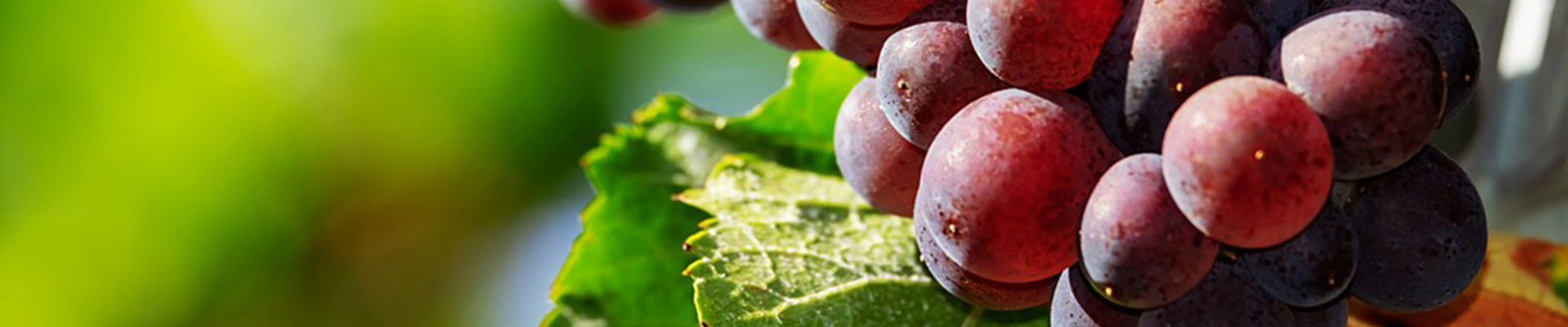
1. Promote the activation of enzymes.Potassium is an activator of many enzymes in plants. Oxidoreductase, synthetase, transferase and phosphokinase all require potassium activation, and they participate in important physiological metabolism in plants, including sugar metabolism, protein metabolism, nucleic acid metabolism, etc.
2. Potassium can also increase the endogenous protective enzyme systems such as peroxidase, and improve the ability of plants to resist external environmental stimuli.
3. Improve and regulate photosynthesis.Potassium improves photosynthesis of plants, mainly in promoting stomata opening, regulating stomatal conductance, increasing chlorophyll content and the activity of key photosynthetic enzymes.
4. The regulation of potassium on the photosynthesis process of plants is mainly reflected in: affecting the size of photosynthetic capacity; affecting the activity of the photosynthetic system.
5. Adjust osmotic power.Potassium forms a continuous water potential gradient in the tree by changing the osmotic potential of the plant, promotes water absorption and movement of water in the tree, thereby creating favorable conditions for plants to synthesize more photosynthetic products.
6. Appropriate potassium concentration can maintain high turgor pressure, relative water content and low osmotic potential, which is beneficial to improve the drought resistance of plants.
7. In the process of grape fruit development, cells need to accumulate solutes to maintain the balance of the water potential gradient, thereby ensuring the expansion of the cell. The rapid expansion of the cells depends on the high mobility of the osmotic agent, and potassium ions play an important role here.
8. Improve yield and fruit quality.Potassium can improve the transport capacity of the cell membrane and promote the transport of assimilation products, and travel towards the direction of the fruit.
9. After spraying potassium fertilizer on the leaves, the potassium content in the leaves will increase and transfers to the fruit to promote the growth of pulp cells, thereby promoting fruit expansion and increasing fruit tree yield.
10. Potassium can also increase the activity of enzymes related to sugar metabolism, promote the conversion of starch to sugar, and increase the total sugar content in the fruits.
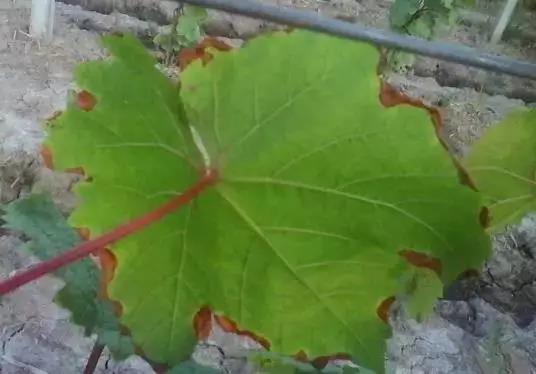
Potassium deficiency in grapes is manifested by yellowing of the edges of the leaves, which can cause scorching of the edges of the leaves in severe cases.
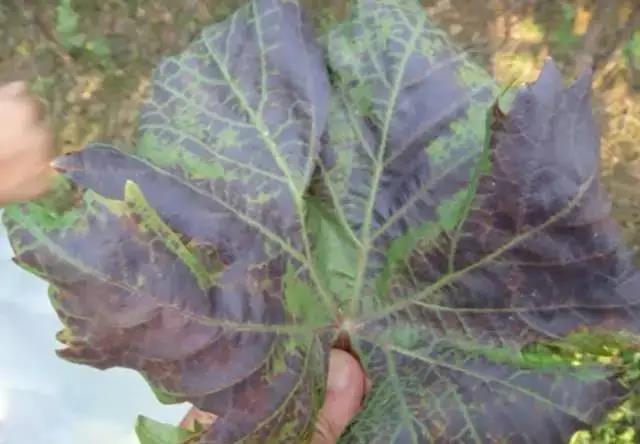
When the directly exposed old leaves is lacking in potassium, the leaves turn purple-brown or purple.
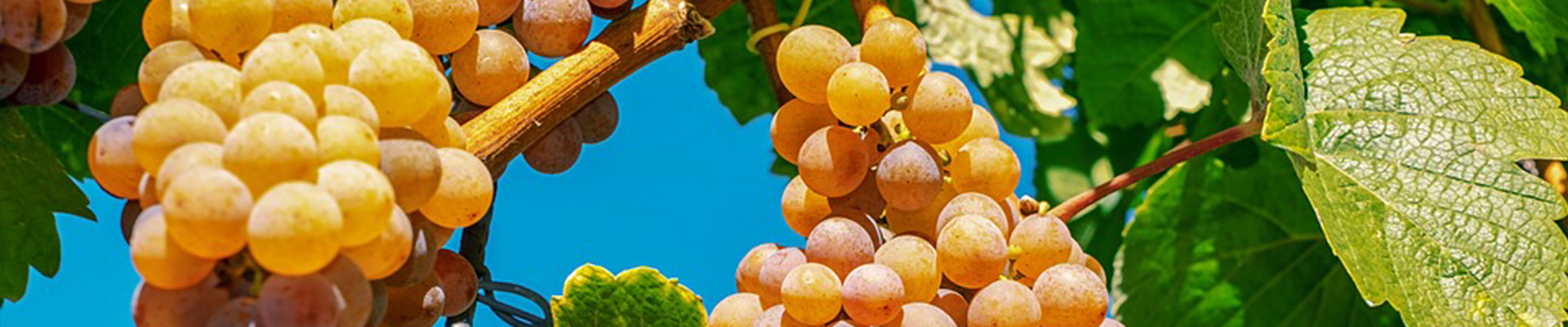
When the fruit lacks potassium, the fruit will become smaller and poorly colored. The lack of potassium in the fruit will also cause fruit to fall during the ripening period.
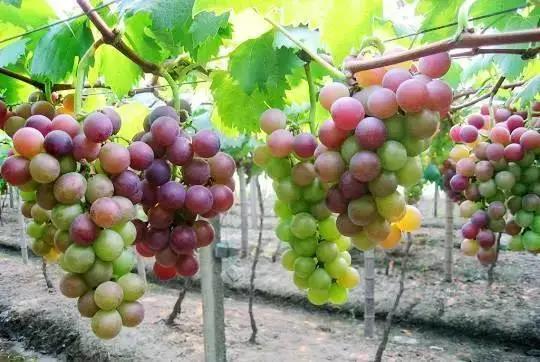
At present, most farmers pay great attention to the application of potassium fertilizer, but there are still many vineyards experiencing potassium deficiency. The reasons are mainly in the following aspects:
①Soil factors - The availability of potassium in the soil is mainly related to the rate of potassium absorption by the roots and the physical and chemical properties of the soil. Potassium deficiency is usually occurs in clay soil, acid soil and barren soil that lack organic matter. For example, in acid soil, the high hydrogen ion concentration will compete with potassium ions for the binding sites on the plasma membrane and inhibit its absorption.
②Fertilization method - Potassium ion has strong mobility in plants, but its mobility in soil is limited. Therefore, when applying it with root alone, apply it to the soil layer with a large number of fine roots to facilitate the absorption of grapes.
③Grapes with large fruit-bearing capacity can absorb potassium throughout the growth cycle, but as the fruits expand, the potassium absorption increases significantly. In the swelling period, the fruit load is large or the application of potassium is not performed in time, which will lead to potassium deficiency, and the leaves close to the fruits will be particularly severe
How to apply potash fertilizer reasonably
Fertilizer selection - The commonly used potassium fertilizers mainly include potassium sulfate, potassium nitrate, Mono potassium phosphate, etc. When applying fertilizer to the grapes roots, potassium nitrate should be used as a quick-acting potassium fertilizer; when spraying outside the roots, it is recommended to use high-quality potassium dihydrogen phosphate.

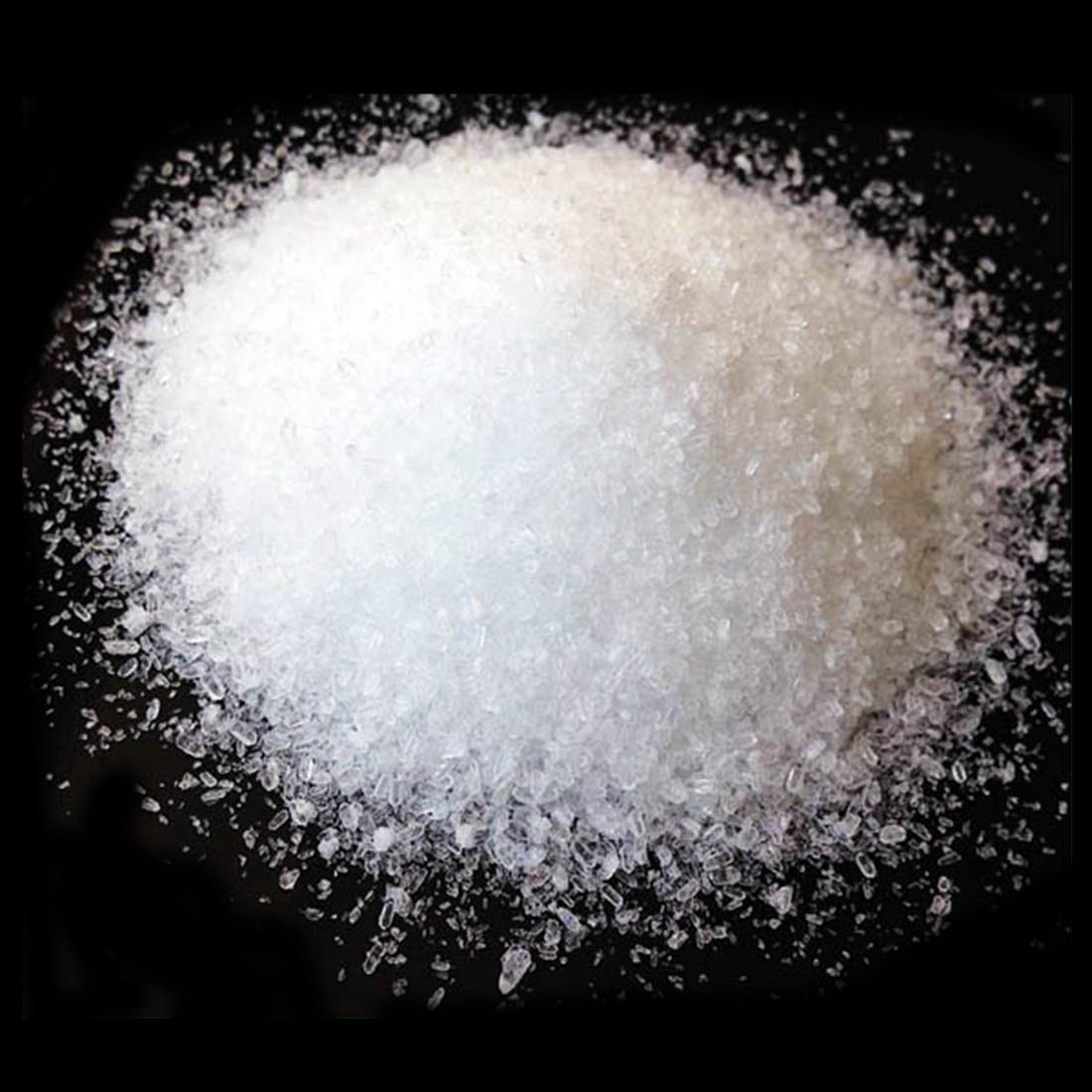
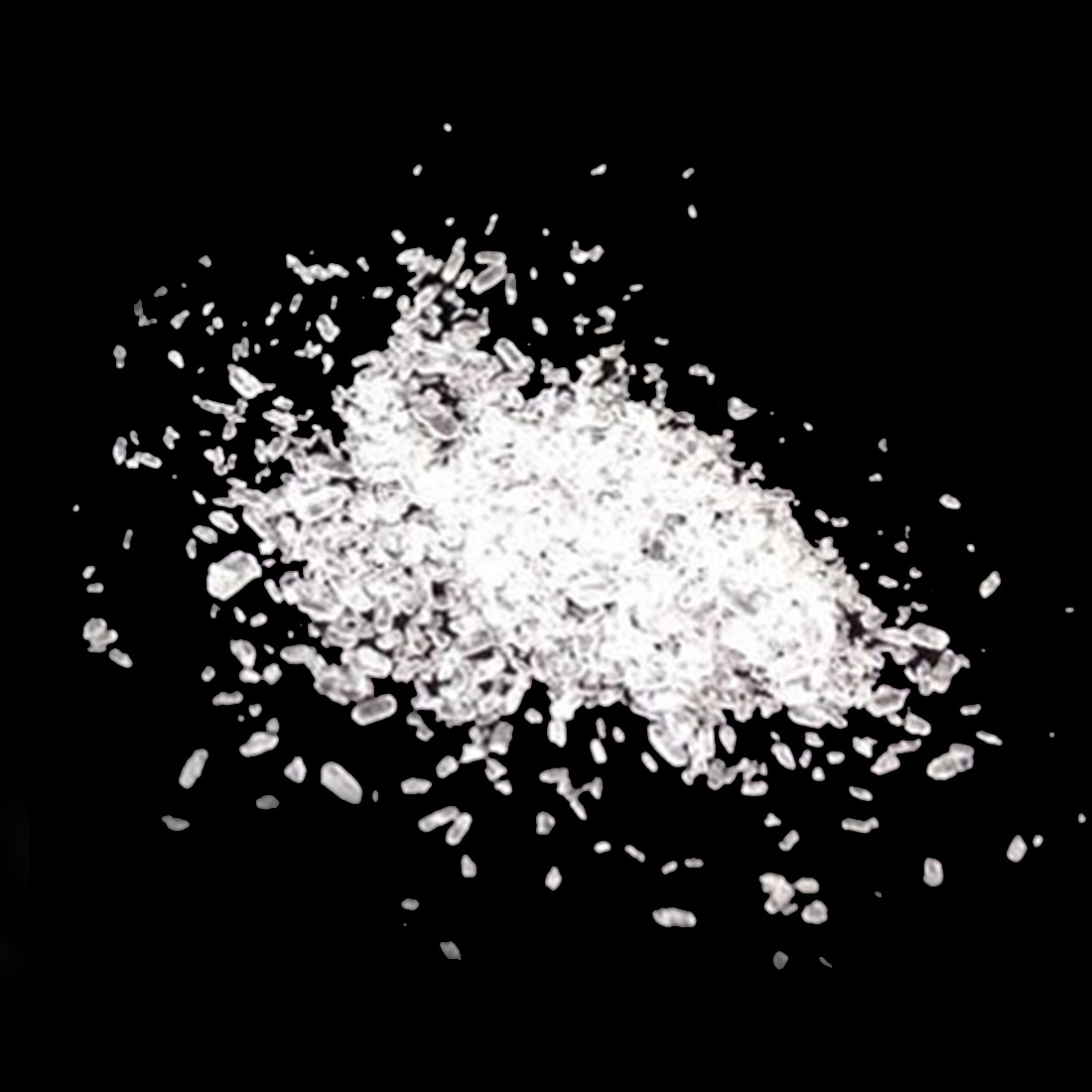
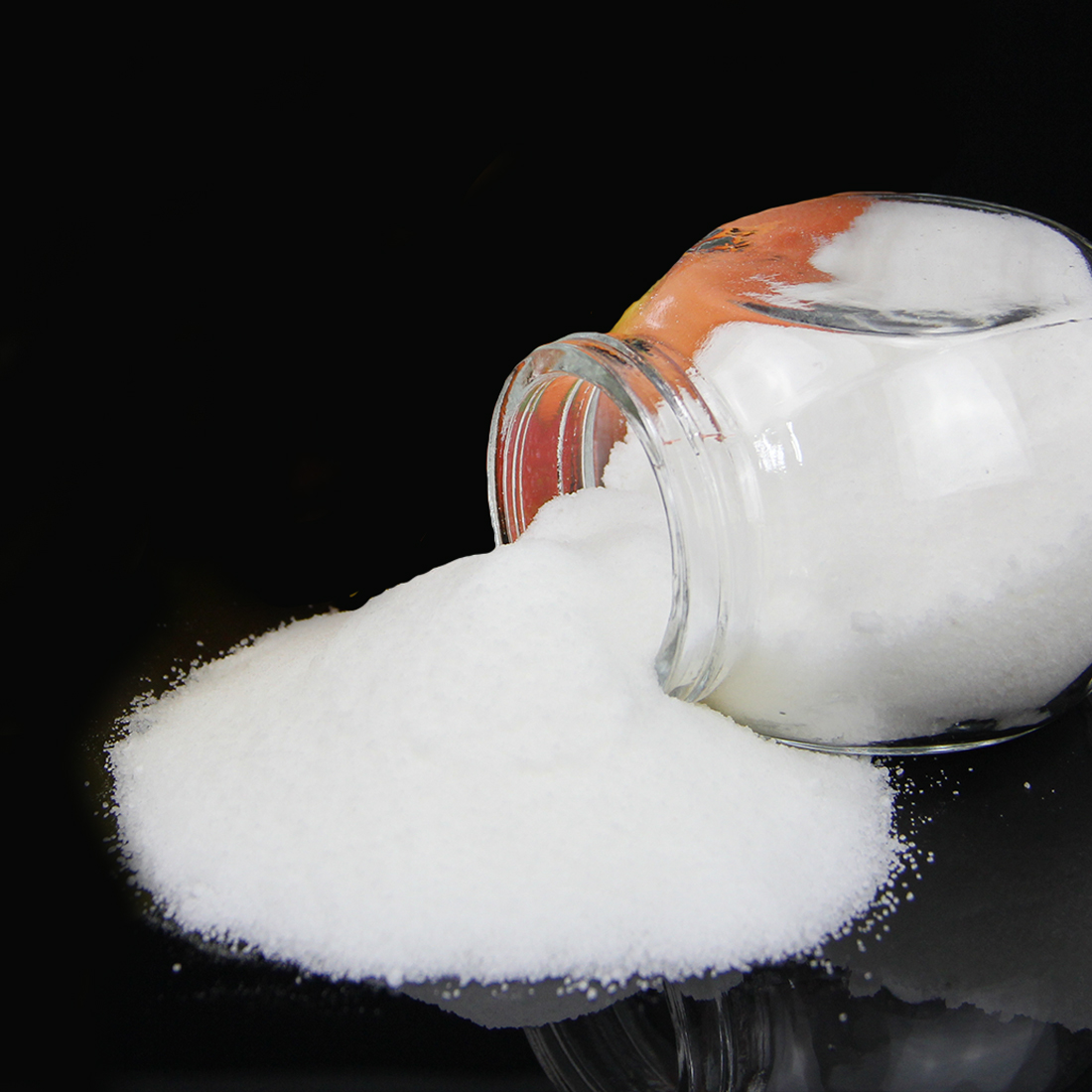
| MKP (Mono Potassium Phosphate) Specification |
|
Technical Specification |
Standard |
|
Purity |
99.0%min |
|
H2O |
0.5%max |
|
Water Insoluble Matter |
0.2%max |
|
Cl |
0.2%max |
|
AS |
0.005%max |
|
Pb |
0.005%max |
|
K2O |
33.9%min |
|
P2O5 |
51.5%min |
|
PH |
4.3-4.7 |

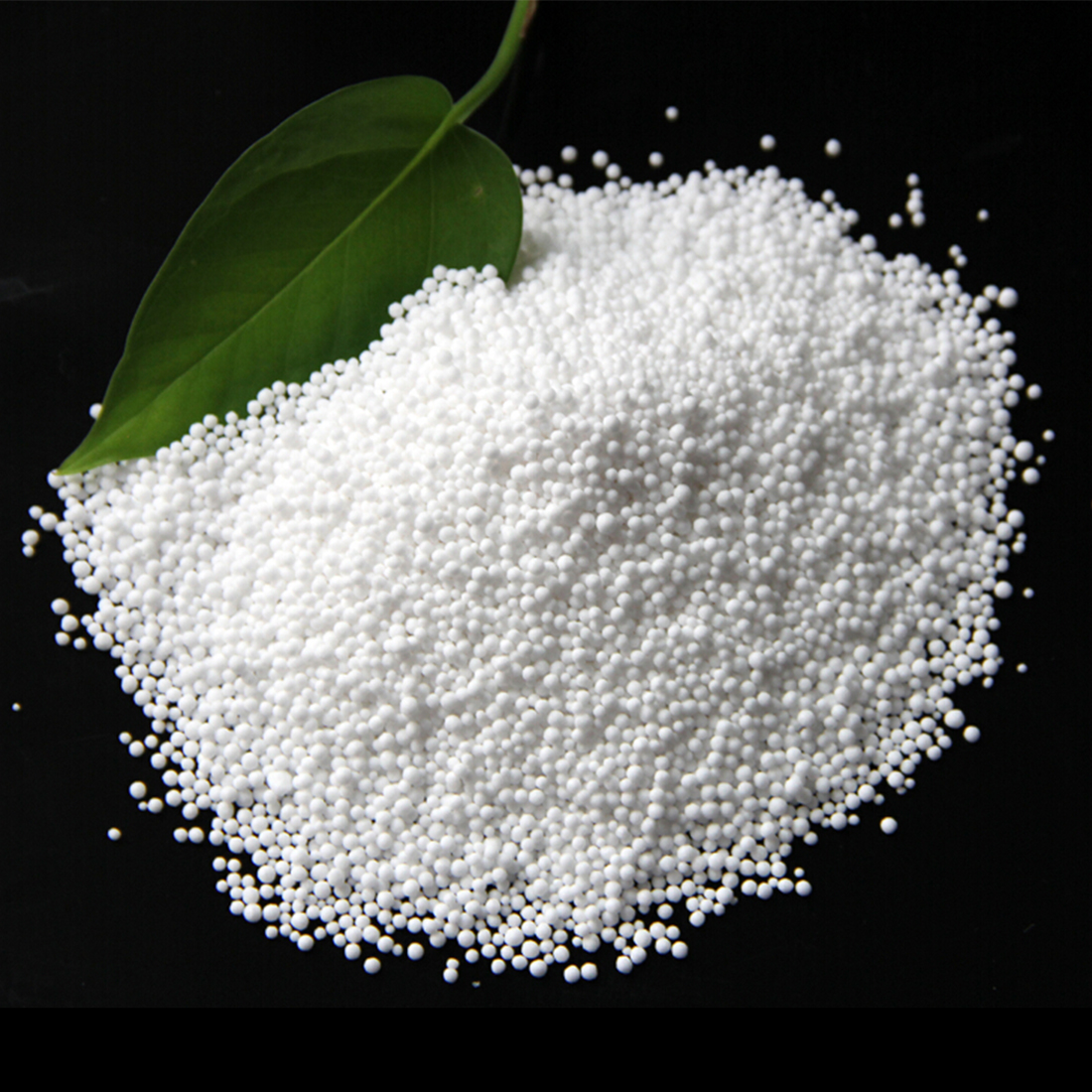
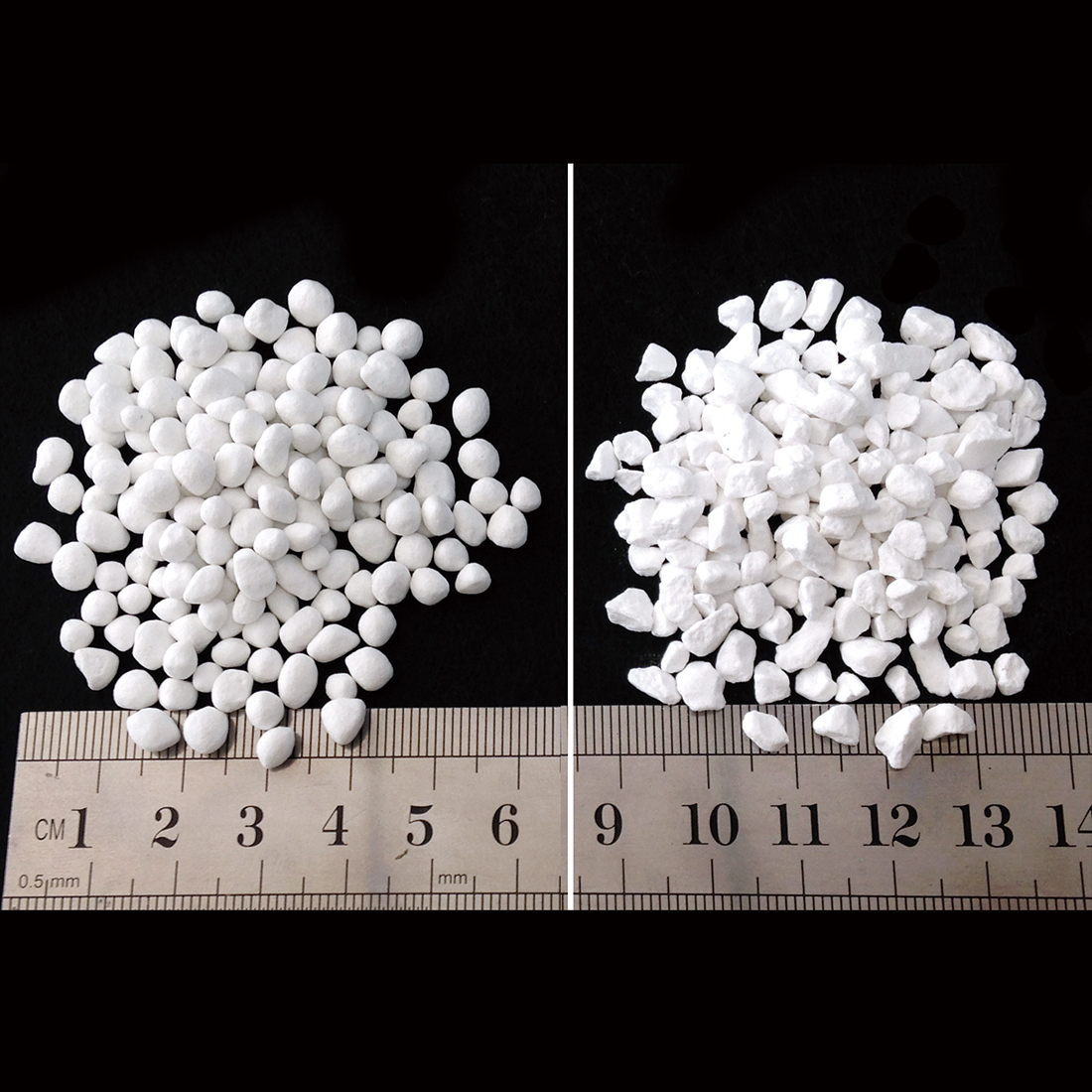
| Potassium Nitrate Specification |
|
Items |
Powder |
Granular |
|
Purity |
99%Min |
99%Min |
|
K2O |
46%Min |
46%Min |
|
N |
13.5%min |
13.5%Min |
|
Moisture |
0.3%Max |
0.2%Max |
|
Chloride (based on Cl) |
0.1%Max |
0.3%Max |
|
Water Insoluble Matter |
0.1%Max |
0.03%Max |
|
Appearance |
White Powder |
Granular 1-2mm 90%min |


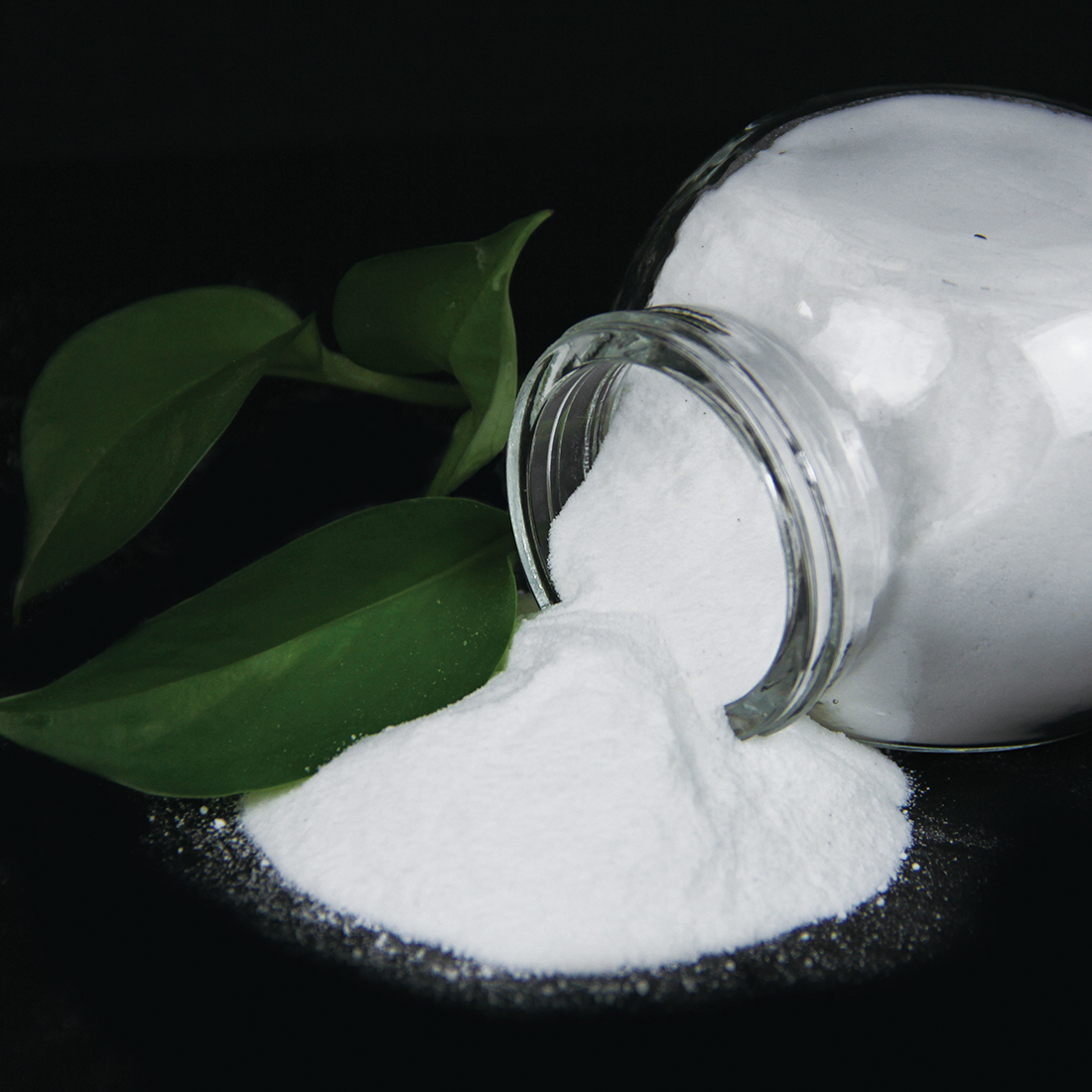
| Potassium Sulphate Specification |
| Potassium Sulphate | ||
| Items | Standard | Standard |
| Appearance | White Powder /Granular | Water Soluble Powder |
| K2O | 50%min | 50% / 52%min |
| Cl | 1.5%max | 1.0%max |
| Moisture | 1.5%max | 1.0%max |
| S | 17.5%min | 18%min |
| Water solubility | —— | 99.7%min |
 Litchi orchard soil fertilization 4 kinds of management measures, don't forget to prune after picking
- How to apply Monopotassium Phosphate (MKP)? Fruits and vegetables are different, so mastering methods and techniques will get twice the result with half the effort!
- TOPFERT Let's talk about the eight precautions when using Mono-potassium phosphate (MKP)
- CROWN CHAMPION'S FERTILIZER Application of fertilizer (一)
- GROWTH MANAGEMENT FOR APPLE DURING SUMMER- Five Disasters to note and prevent!
- July, second-best time to apply "Booster" to your Fruits, please keep in mind these fertilization suggestions.
- " fertilizer booster"- Calcium Ammonium Nitrate
- Calcium Nitrate &Calcium Ammonium Nitrate
- Magnesium Nitrate fertilizer for healthy crops
- POTASSIUM NITRATE USEAGE
- Boron in Plants (part 1)
- The difference between potassium nitrate and potassium sulfate